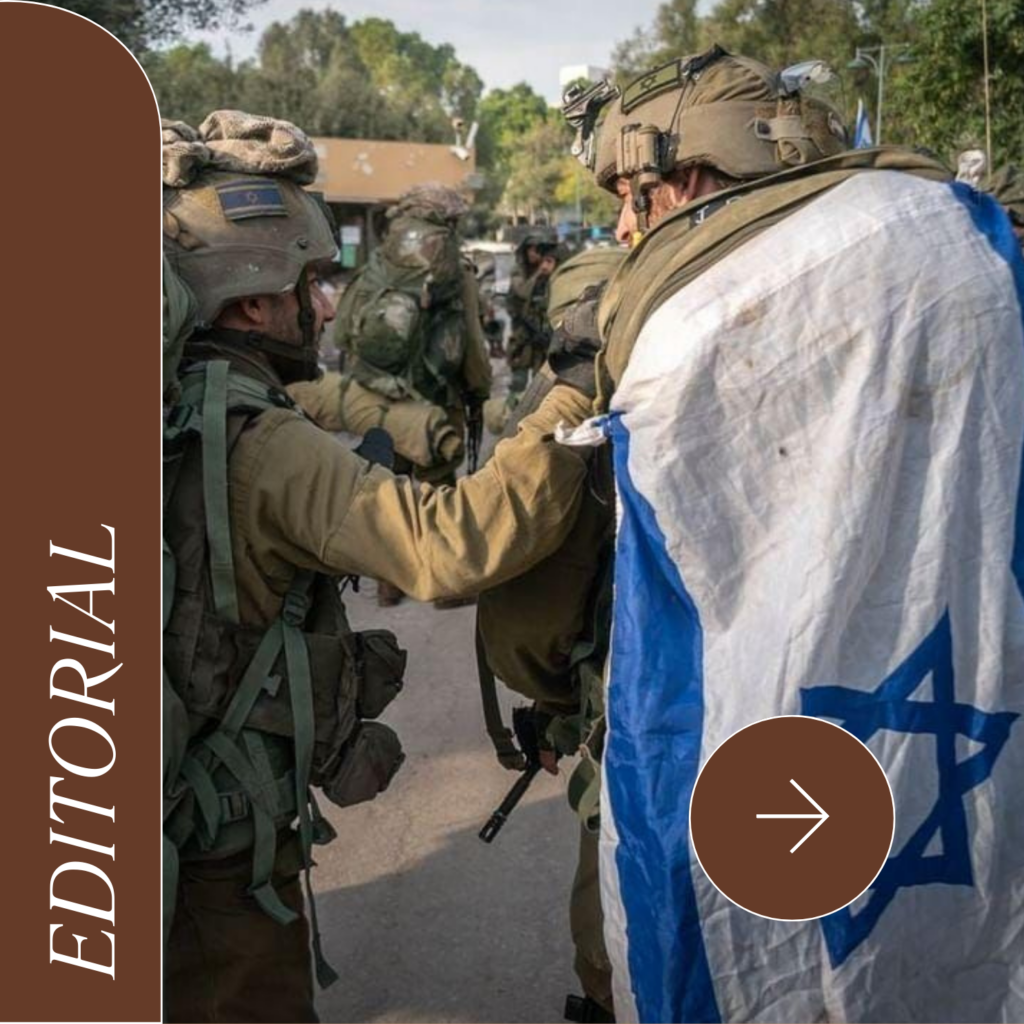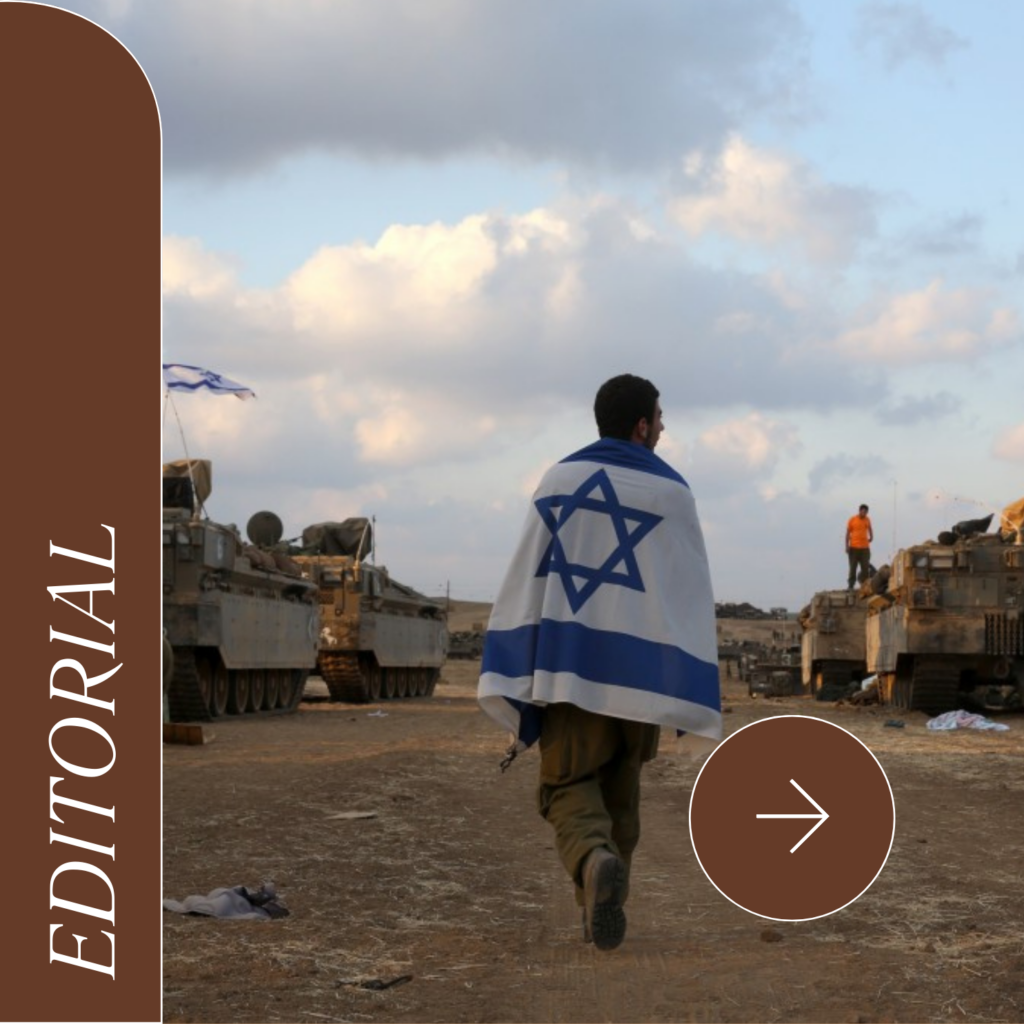
Members across the country are trying to understand the Israel-Hamas war and identify where to help. We’ve rounded up insights on some of the most important issues at play as Israel fights for the release of over 200 hostages and works to defeat Hamas.
The Hamas Attack
This wasn’t a spontaneous uprising. In fact, it was masterful military execution by a terrorist organization. According to sources close to our community, a minimum of 6 months of planning, gathering resources, and rehearsing was required to “breach a seemingly impenetrable barricade.” Furthermore, the IDF was conned into redirecting resources from Gaza to the West Bank, which created a once-in-a-generation vulnerability in Israeli surveillance.
Israel’s Plan of Defense is Offense
Israeli Prime Minister Benjamin Netanyahu has promised that Israel would rescue the hostages, hold the terrorists accountable, turn Hamas hideouts into rubble, and destroy the terrorist organization’s capabilities.
A Tunnel War
Hamas’ complex tunnel network is harboring hostages, terrorists, and munitions. They’re the heart of the Israeli-Hamas war, and the difference-maker in terms of freeing over 200 hostages. It’s complicated and different from many other operations. Precision raids are required because the military can’t lead with traditional strategies that rely on heavy bombardment without potentially putting the hostages’ lives at risk.
Israel is Paying Attention
In an almost unthinkable double standard, Israel is being judged by the proportion of their retaliation in defense of its citizens, with protesters around the globe calling for a ceasefire, which experts agree would only galvanize and embolden Hamas and its allies. Experts in our community confirmed that Israel does have its pulse on U.S. public opinion and is weighing that in its military strategy.
The Role of the United States
The U.S. has moved several air carrier fleets into the region. It’s a testament to how seriously we are taking this conflict, particularly given the implications of threats across the world, including China, Iran, and Russia. But putting American boots on the ground is a scenario that all parties want to avoid.
The Technological Battlefield
There’s reason to be optimistic about the role of private-sector innovation in the future of warfare. Surveillance technology equipped Ukraine to respond to Russian threats rapidly and experts anticipate that Israel will take advantage of technology as they continue to fight Hamas.
Peace in the Middle East
Most observers think that the much-anticipated normalization of Israel-Saudi relations is off the table for now, but sources believe that if Hamas continues to be reckless, there may be a springboard for relations between these countries. That said, one of the most significant unknowns in the long-term regional implications is Iran.
The Role of Media
We’re all well-acquainted with the one-sidedness of media coverage, and this war has sparked widespread misinformation and irresponsible reporting. Complicating things even more is the role of social media and the algorithms that exacerbate ideological bubbles. Congressman Mike Gallagher, friend of Alder, pointed that out in this article about China using TikTok to shape public opinion among young Americans. It’s more crucial than ever to seek out informed, smart, and level minds and lean into communities like Alder to identify good resources to decipher and discuss this history-shaping conflict.
Israelis need our help. Here’s how to support them:
World Hero Foundation and Israel Ground Support and Rescue
Alder Impact Summit speakers Alana and Dean Stott didn’t hesitate to jump into action after Hamas attacked Israel. Within 24 hours, Dean was on a flight to Israel to assist with complex rescue and evacuations, and Alana was organizing logistics and raising awareness. These funds support their team’s ongoing rescue missions.
Recommended by Ken Mehlman, they’re on the frontlines providing emergency medical services in the region and worked tirelessly to respond when Hamas attacked southern Israel. Their mission is to provide lifesaving medical intervention to all of Israel’s population—regardless of race, ethnicity, or religion.